Archives

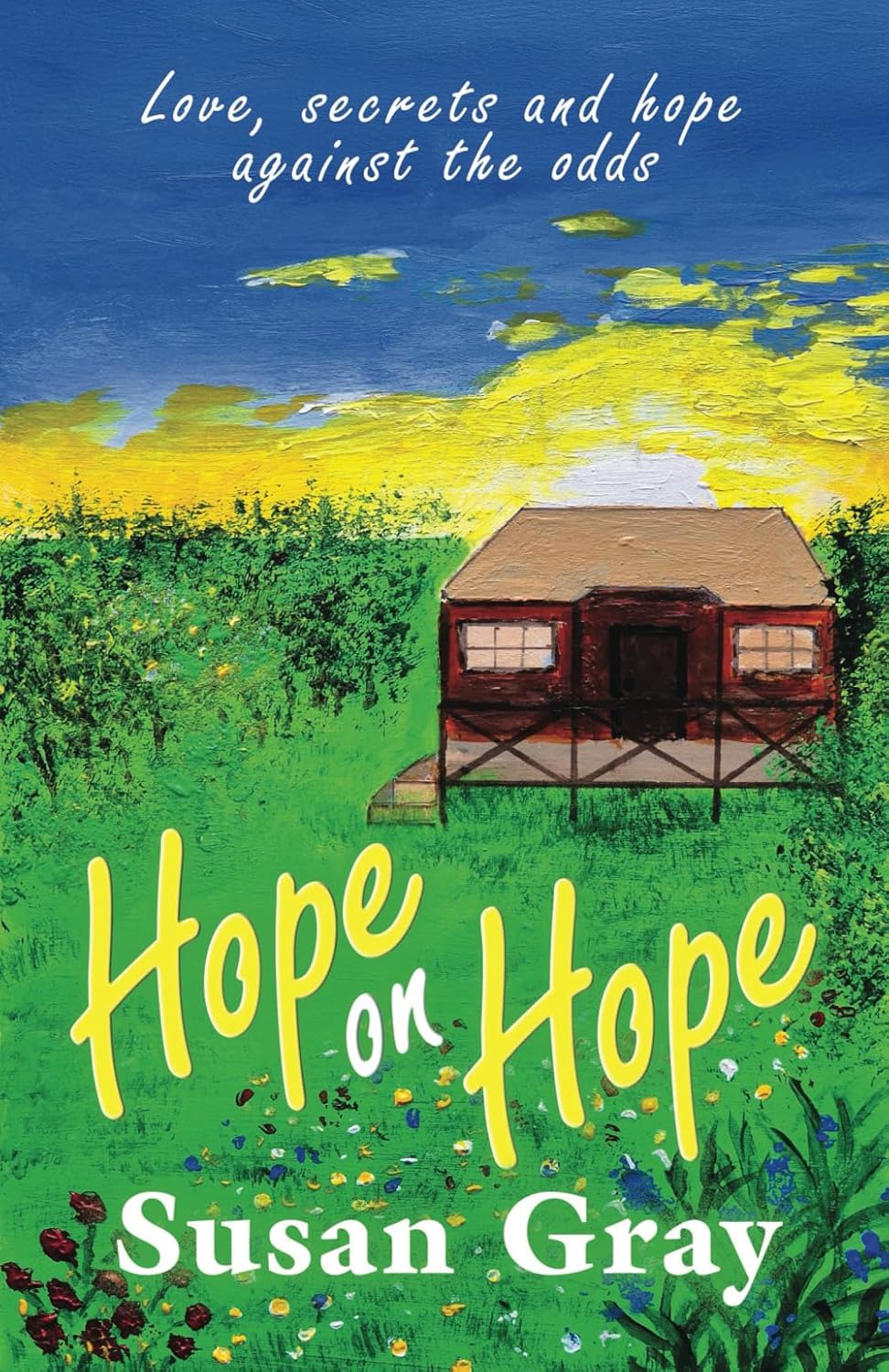
Hope On Hope by Susan Gray

Love Wins

Hope On Hope by Susan Gray is the most charming historical novel that I absolutely adored.

The novel is mainly set in the north west of England in 1946. War is over but families are still feeling the effects. There are empty spaces around tables.

We also cross the channel to France to re-connect with family as the war years kept families apart.

War brings secrets. Even after it has ended, a character keeps quiet about her role in the resistance, for fear of reprisals. “She played her part – a small but vital part.”

For so long, fear ruled in even the bravest of hearts, so it isn’t surprising that a character is still cautious. “How long would it take for the memories to fade and the fear to subside?” One never knows just how brave one is until called upon to act without thought to personal safety. “War makes people inventive. It causes them to step outside their comfortable places.”

We see the importance of having hope. “Hope is my lifeline.” Clinging to hope, even in the bleakest of circumstances means a character declares “hope helps me to move forward.” Without hope, the people perish. She “trained herself to never lose hope. Hope was her anchor.”

Continue reading
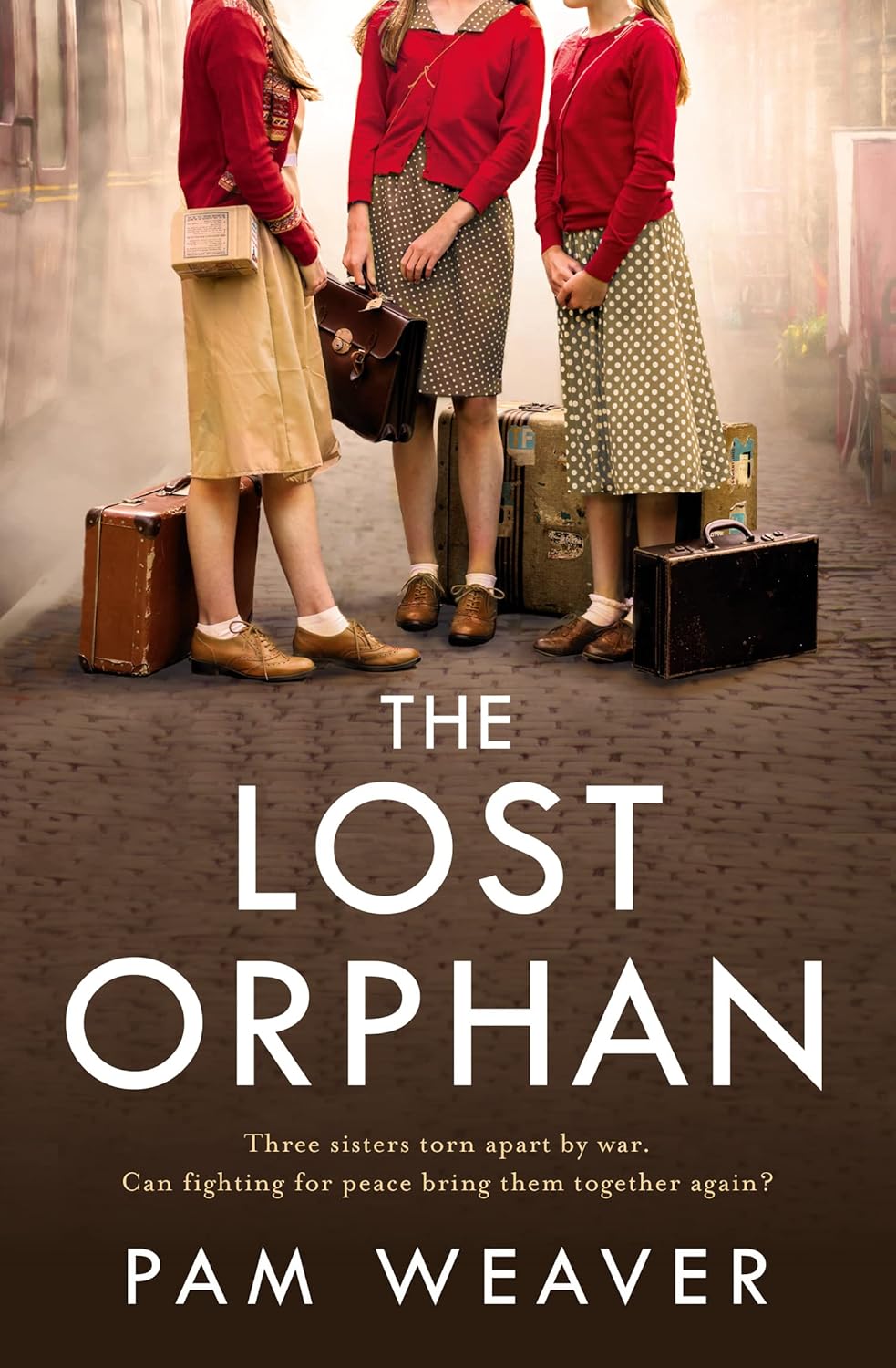
The Lost Orphan by Pam Weaver

Entertaining & Engrossing

The Lost Orphan by Pam Weaver is a powerful historical novel That I thoroughly enjoyed.

The action begins in Worthing in December 1941 and continues throughout the war. We follow two half French sisters who are searching for their younger sister. All three were orphans but unscrupulous lies see them separated.

Within a character, the past has consumed her. Shocking events from her childhood continue to haunt her. Facing her fears and sharing her past, has disastrous consequences, leaving her even more isolated. Love and kindness are needed for her to bud and blossom.

War sees everyone doing their bit. One sister is training to become a nurse. The other joins the S.O.E. and is posted to France, wanting to do her bit to liberate her mother country.

Life leaves scars. War leaves scars. “I have scars too. The only difference between us is that you can’t see mine.” Scars need love as a balm. When love blossoms, scars fade.

Continue reading

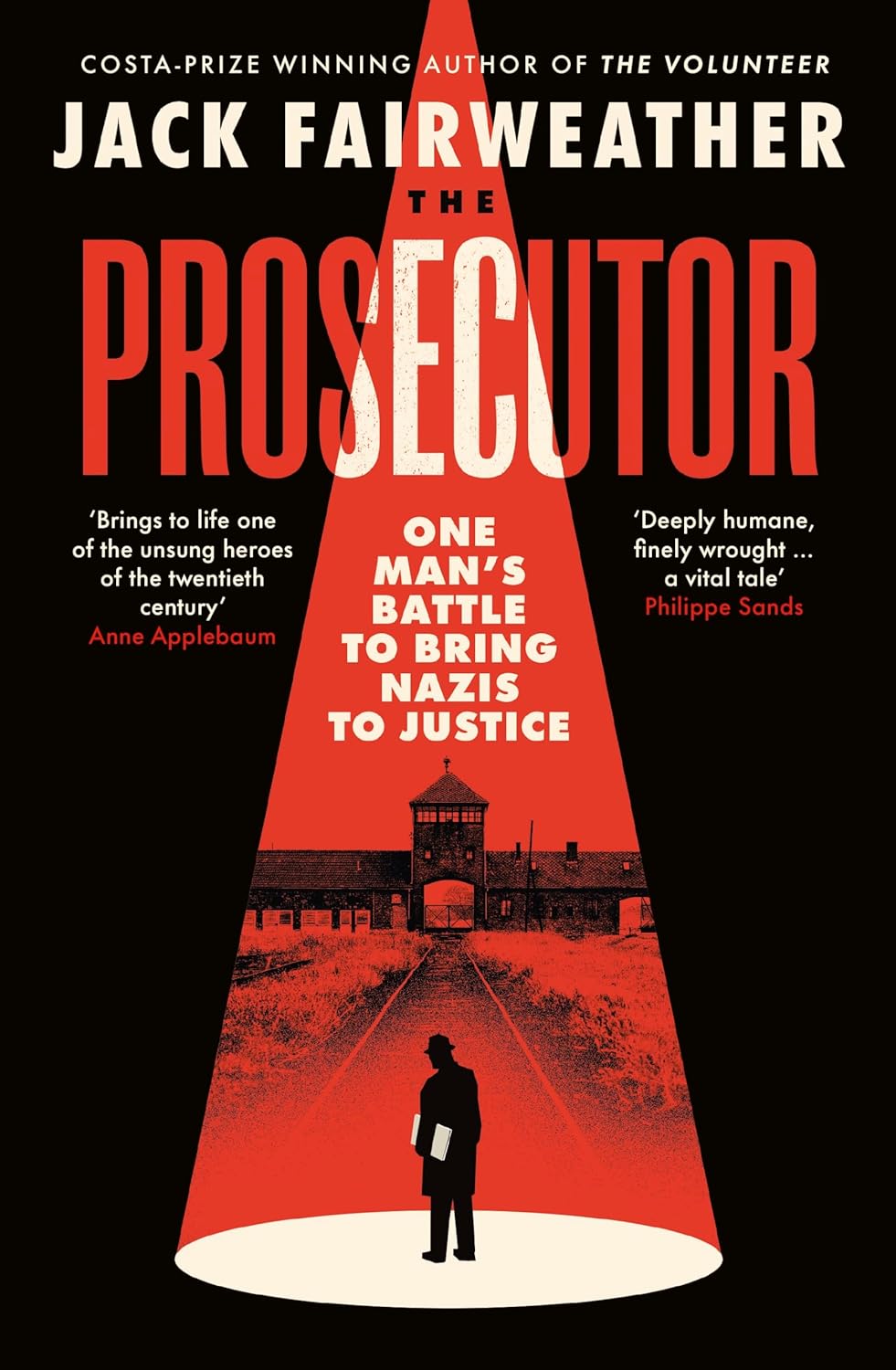
The Prosecutor by Jack Fairweather

Harrowing – May We Never Forget

The Prosecutor by Jack Fairweather is the true story of Fritz Bauer (1903-1968) who was a German Jew who set about trying to bring the perpetrators of evil to justice after World War II. He was relentless in his pursuit.

At the end of World War II, Bauer estimated that eight million Germans had belonged o the Nazi party and two hundred and fifty thousand served in the SS. Many of the mass murderers and perpetrators of evil, either fled Germany or seamlessly blended back into society at the end of the war. “Few wanted to admit that fighting for Hitler was wrong.” Attitudes in the older generation, frighteningly, persisted into the 1960’s. Only with education, did the attitudes of subsequent generations of Germans change, as they admitted that the Holocaust did happen. Change started with the youth.

Jack Fairweather has clearly and methodically researched the life of Fritz Bauer, who was a good man who refused to stand by and do nothing. Along with others, including Simon Wiesenthal, Bauer helped to bring Adolf Eichmann to justice.

Bauer helped to put individuals on trial, as well as the human machinery that was Auschwitz. He introduced Auschwitz to the world through the horrifying testimonies of those who were there. The judges and others from the court, actually toured Auschwitz to see the site of the greatest mass murders in history, saying, “you need to see it… only then can you imagine the magnitude of the crime.”

Continue reading

New Arrivals On West India Dock Road by Renita D’Silva

Community Cohesion

New Arrivals On West India Dock Road by Renita D’Silva is a powerful, heartfelt historical novel that I read in just one sitting. I am hoping there will be many more books to follow.

The tale is set just before the outbreak of World War II. We begin the novel in India in 1937, following a young girl who is employed as a nanny to two small boys, whose parents are English. Unrest in India sees the family boarding a ship to England as they make hollow promises to the nanny. Once on the shores of England, she is left to fend for herself.

The vibrancy of India contrasts with the greyness of England. “Everything is coated in a grey mist, a far cry from the ubiquitous orange dust of India.”

England is an inhospitable place for those whose skin colour is not white, and whose accent is not English.

As the streets of London are traversed, we move towards the docklands. Here, the streets are not paved with gold but the hearts are filled with love.

It is a very cosmopolitan area, populated by those whom society has marginalized – the Irish, African, India, Chinese and more. Here, the lost and lonely find a place to call home.

Continue reading