Tag Archive | Penguin Books

All The Broken Places by John Boyne

Innocent? – Or Not?

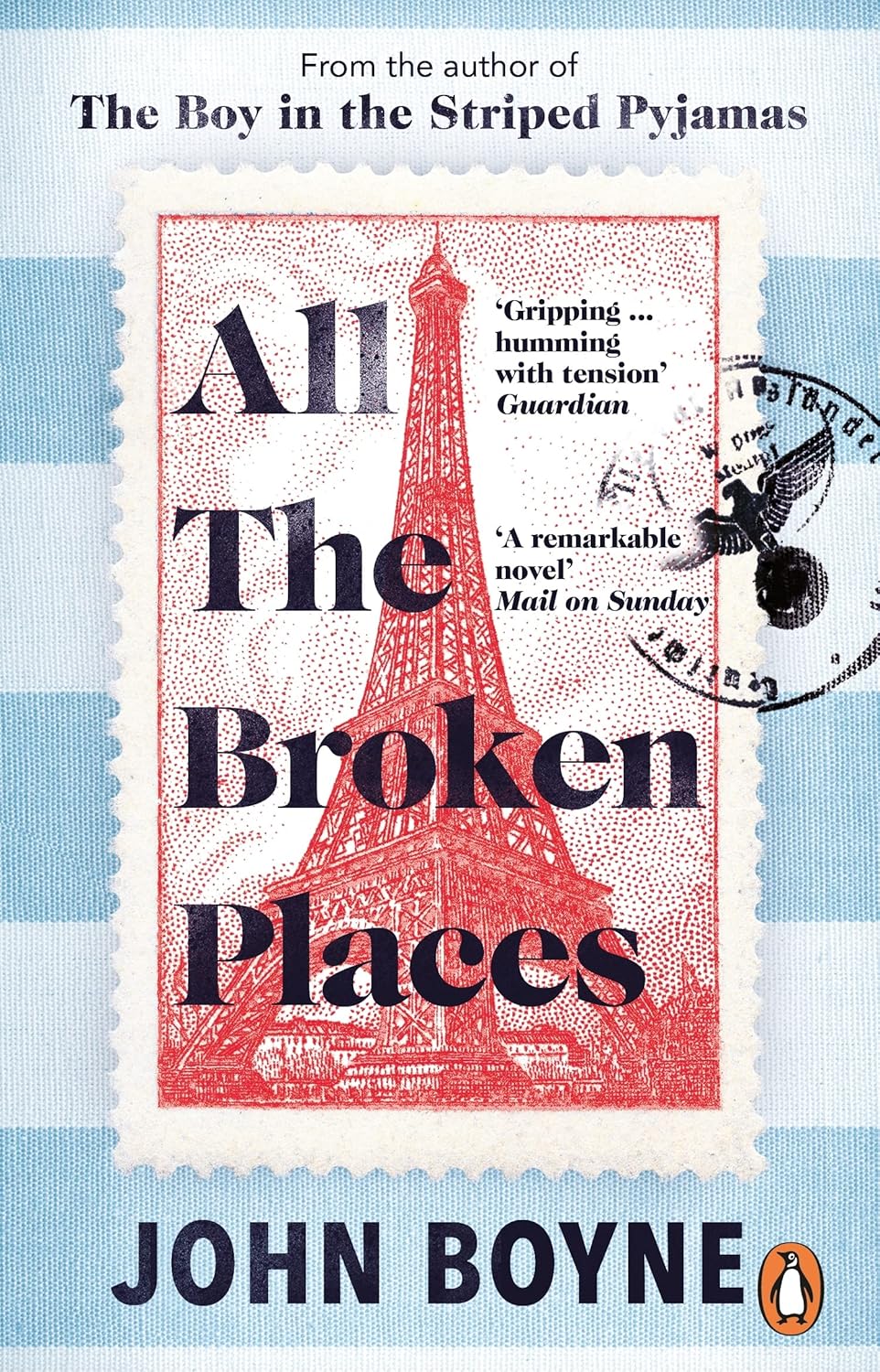
All The Broken Places by John Boyne is a powerful novel set over four different time periods that consumed me from the start. It is the sequel to The Boy In The Striped Pyjamas but can be read as a stand-alone. I recommend reading book one first as there are references to scenes in there. This is Gretel’s story who is the daughter of the commandant of Auschwitz, and therefore sister to Bruno, the lead character in The Boy In The Striped Pyjamas.

The story in set in London in 2022, and also in Paris in 1946, Sydney 1952, and London again in 1953. The chapters alternate between 2022 and the other time periods.

Gretel is ninety-one in 2022. She has had a lifetime of hiding and guilt consuming her, despite only being twelve-years-old when she first went to live at Auschwitz. She has been running from the truth ever since.

Blame is laid on her youth. She claims her youth equals her innocence – but she knew exactly what was going on, and she is only fooling herself.

We see the truth of Edmund Burke’s famous statement that for evil to flourish, it just needs good men to do nothing. “By doing nothing, you did everything.” People are complicit in the Holocaust by their inactivity.

There are Holocaust survivors. Their stories cannot be compared to Gretel’s. She chose to do nothing, to say nothing. She has guilty hands. The Jewish people had no choice in their fate.

Continue reading
By Any Other Name by Jodi Picoult

There Was Once A Girl

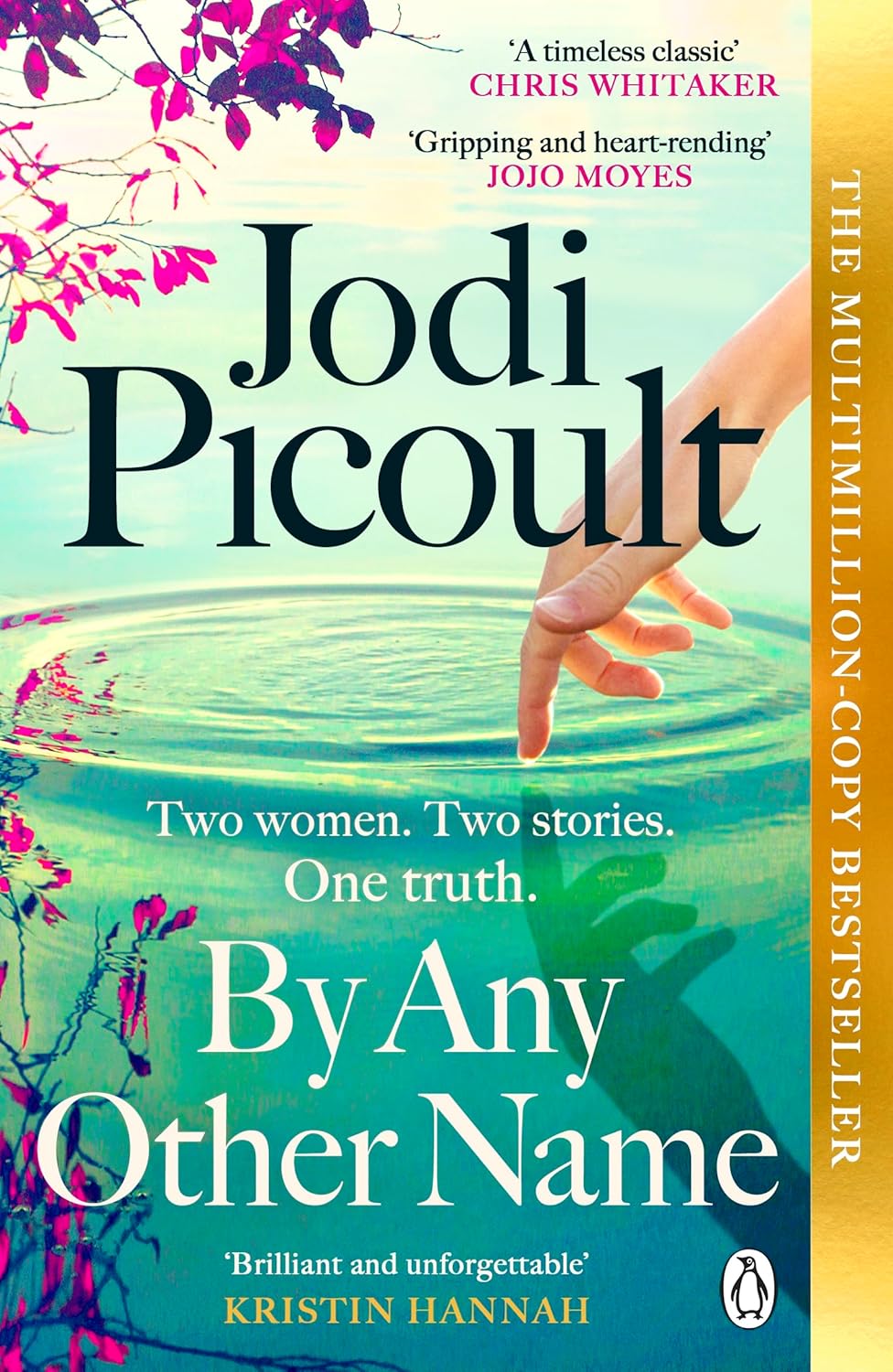
By Any Other Name by Jodi Picoult is a marvellous dual timeline novel that I really enjoyed. It has its’ roots in fact and will educate you as you read.

There are actual historical figures including Christopher Marlowe and William Shakespeare. The leading lady in the sixteenth century is Emilia Bassano who we know actually existed. Jodi Picoult’s notes at the end of the book are fascinating. Emilia Bassano is the focus of the novel and has links to present day author Melina who is researching her as she is her ancestor.

There are many parallels between the two women as they are both seeking to write, and both are marginalised in favour of men.

Jodi Picoult has created a fascinating tale around the subject of invisible women. “There was a girl who became invisible so that her words might not be.” Women, it seemed, were invisible in all sorts of walks of life. As they aged, they were passed by.

Writing about Alice Arden who murdered her husband Thomas, Emilia Bassano says: “For a woman to have status, she must be married. Yet a married woman loses everything – her name, her body, her property, her money. It all belongs to her husband. A widow… is given back all that rightfully belongs to her… It is a wonder there aren’t more husbands murdered.” It is very sad to see women “sidelined because of gender.”

Continue reading

Last Stop Auschwitz by Eddy de Wind

The Powerful Spirit

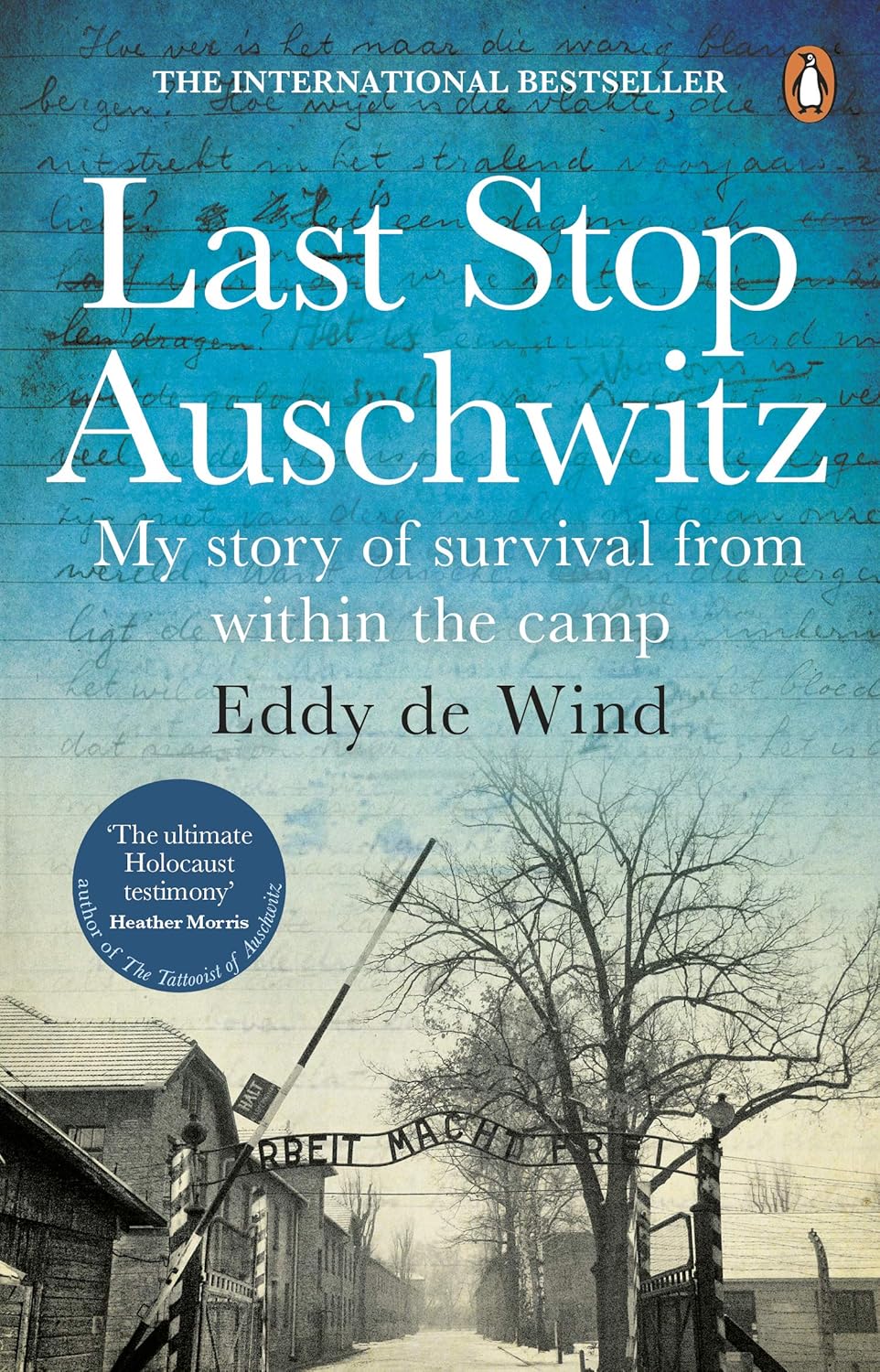
Last Stop Auschwitz by Eddy de Wind is a powerful account of the author’s time in Auschwitz until the end of the war.

The book was actually penned whilst the author was in Auschwitz. We get a first-hand account of daily life in which Eddy de Wind pulls no punches. All his memories were still in tact as he was still in the camp.

We witness the cruelty of the Nazi war machine. Like most bullies, the guards fled as the Soviets approached. Those who valued their lives were “keeping hope alive.” Without hope the people will perish.

In Auschwitz, morals were abandoned due to starvation and desperation. There were those who worked for the good of others but they are overshadowed by those who looked out for themselves.

As well as needing hope, luck was needed too. People needed to keep their wits about them and try hard not to be noticed, as the guards needed no excuse to end a life.

Continue reading

The Prosecutor by Jack Fairweather

Harrowing – May We Never Forget

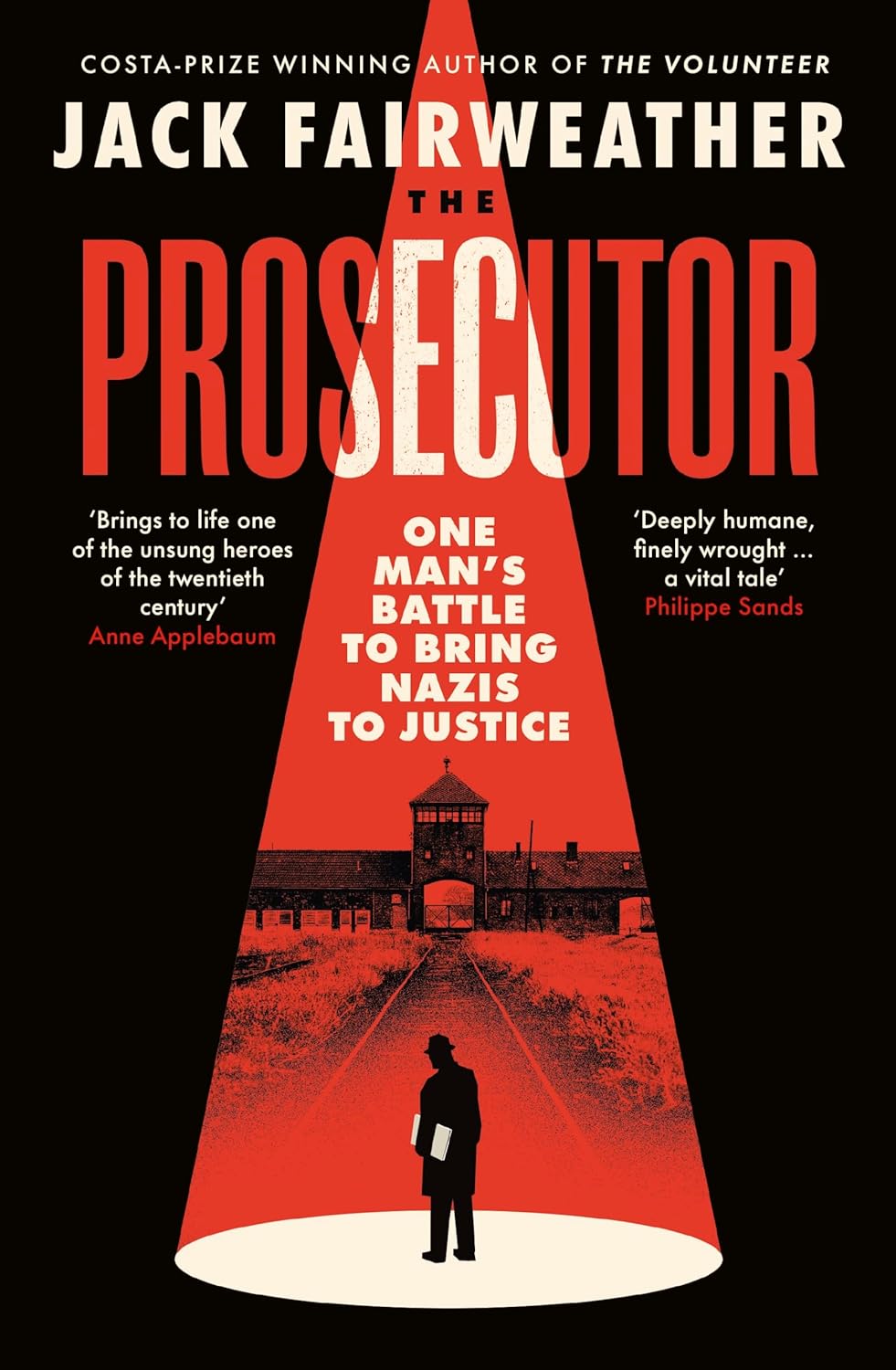
The Prosecutor by Jack Fairweather is the true story of Fritz Bauer (1903-1968) who was a German Jew who set about trying to bring the perpetrators of evil to justice after World War II. He was relentless in his pursuit.

At the end of World War II, Bauer estimated that eight million Germans had belonged o the Nazi party and two hundred and fifty thousand served in the SS. Many of the mass murderers and perpetrators of evil, either fled Germany or seamlessly blended back into society at the end of the war. “Few wanted to admit that fighting for Hitler was wrong.” Attitudes in the older generation, frighteningly, persisted into the 1960’s. Only with education, did the attitudes of subsequent generations of Germans change, as they admitted that the Holocaust did happen. Change started with the youth.

Jack Fairweather has clearly and methodically researched the life of Fritz Bauer, who was a good man who refused to stand by and do nothing. Along with others, including Simon Wiesenthal, Bauer helped to bring Adolf Eichmann to justice.

Bauer helped to put individuals on trial, as well as the human machinery that was Auschwitz. He introduced Auschwitz to the world through the horrifying testimonies of those who were there. The judges and others from the court, actually toured Auschwitz to see the site of the greatest mass murders in history, saying, “you need to see it… only then can you imagine the magnitude of the crime.”

Continue reading