Archives

The Stepney Doorstep Society by Kate Thompson

Fascinating Strong Matriarchs

The Stepney Doorstep Society by Kate Thompson is a powerful account of the lives of the matriarchs living in the East End of London. It is mainly set during World War II, with a dip into both the thirties and the post war years.

It was the women of the East End that ran the show. They were not necessarily large in stature but they were strong personalities. They had to be. They lived through the Depression of the 1920’s and 1930’s and also World War II. “I just had to get on with things. I wasn’t brave… I just had no choice.” They put on their big-girl pants and tackled life head on.

The women looked out for each other and for each- others’ children. It was proper community living as they were in and out of each-others houses too. They were “rich in love, poor in the purse.”

With World War II came opportunities for women. They got out of the home and into the factories, only to be relegated to the home again when the men returned from war. “The war brought out the strength in women.”

We see that “individually these women were tough. Together, they were terrifying.” When there was a wrong, these women stood up for what was right. They marched against Oswald Moseley’s Blackshirts in the 1930’s.

We learn that “infant mortality rates were… high and there was a heartbreaking saying offered up to a mother when a new baby arrived: ‘Has it come to stay?’” Within the community women acted as midwives, helping others birth babies.

Continue reading
The Story Of Sapulpa & Route 66 by Kirby Lee Davis

The Story Continues

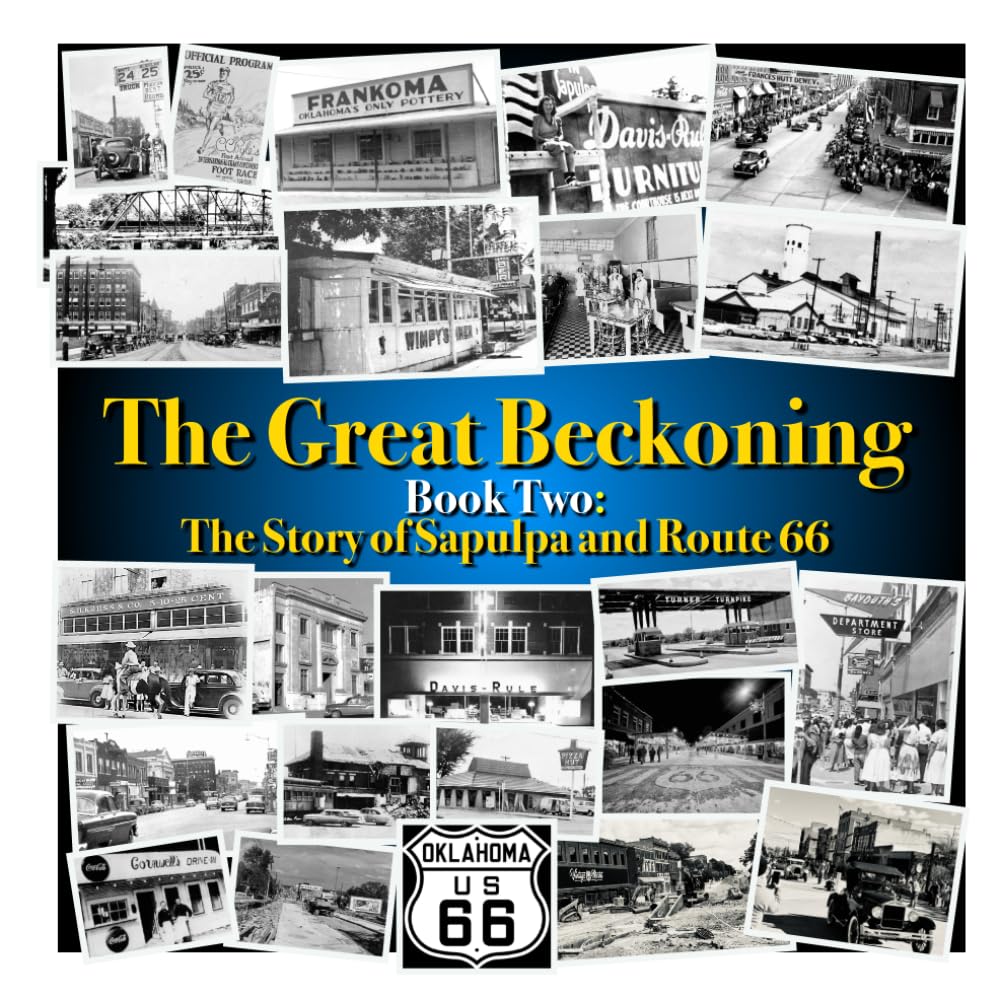
The Story Of  Sapulpa & Route 66  by Kirby Lee Davis is the second book in The Great Beckoning series and published by Sapulpa Historical Society. This continues where book one left off as we follow the development of Sapulpa and the emergence of Route 66, well into the twentieth century.

Route 66 had investments from 1909 and was finally completed in 1928. It stretches from east to west, passing through Sapulpa.

We see the development of roads, going from mud to concrete, tarmac and hard core. The harder your road surface, the more affluent the area.

During the early twentieth century, we witnessed World War I. Following its’ end, over eight million people travelled westwards in search of new opportunities.

As Sapulpa developed, more businesses, diners and festivals sprang up – including a car and a Christmas festival.

Continue reading

The Story Of Sapulpa & The Ozark Trail by Kirby Lee Davis

A Comprehensive Account

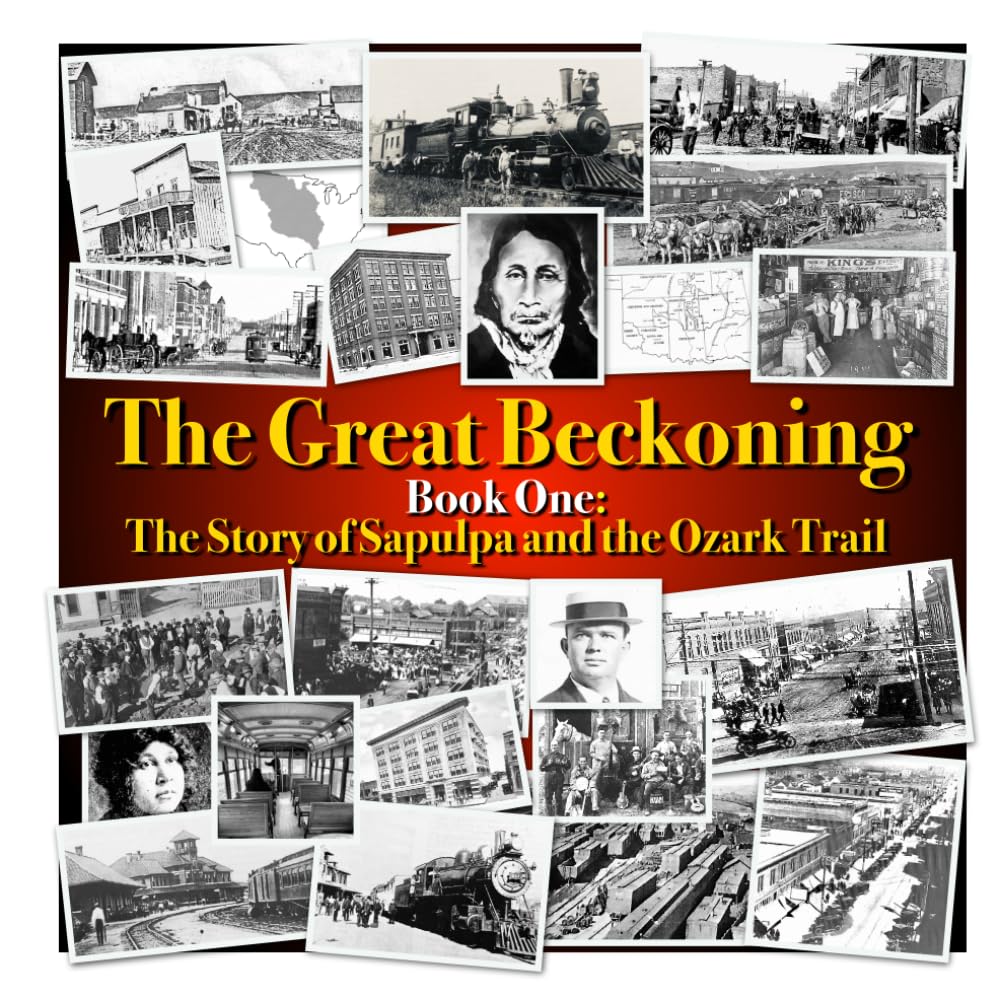
The Story Of  Sapulpa & The Great Ozark Trail by Kirby Lee Davis is the first book in The Great Beckoning series and published by Sapulpa Historical Society. It is a comprehensive account of Sapulpa, a town in America, and the Ozark trail that emerged.

As I live in England, I know very little of American history except for what I studied as part of my degree. I found this book absolutely fascinating.

The story of Sapulpa begins in the early 1800’s but the main focus is on the late nineteenth century until 1928. We hear of the growth of the railroad, followed by that of the motor car. Oklahoma had just 1,100 registered cars and trucks in 1911 rising to 184,212 in 1925. Both vehicles and the railways brought businesses to the area.

During the nineteenth century we saw how the native Americans were pushed out by white settlers. “Oklahoma’s Indian tribes… were the victims of the whites’ insatiable hunger for land.” It was horrifying to hear that the Ku Klux Klan held a rally in Sapulpa in the mid 1920’s.

As well as hearing about the growth of the town and surrounding area, there is also a section about notable businesses. It is interesting to read about the various churches and businesses that set up. I was particularly interested to read about the Harvey House as I had seen the Judy Garland film called The Harvey Girls.

Continue reading

Dear Life by Rachel Clarke

Of Love & Care & Compassion

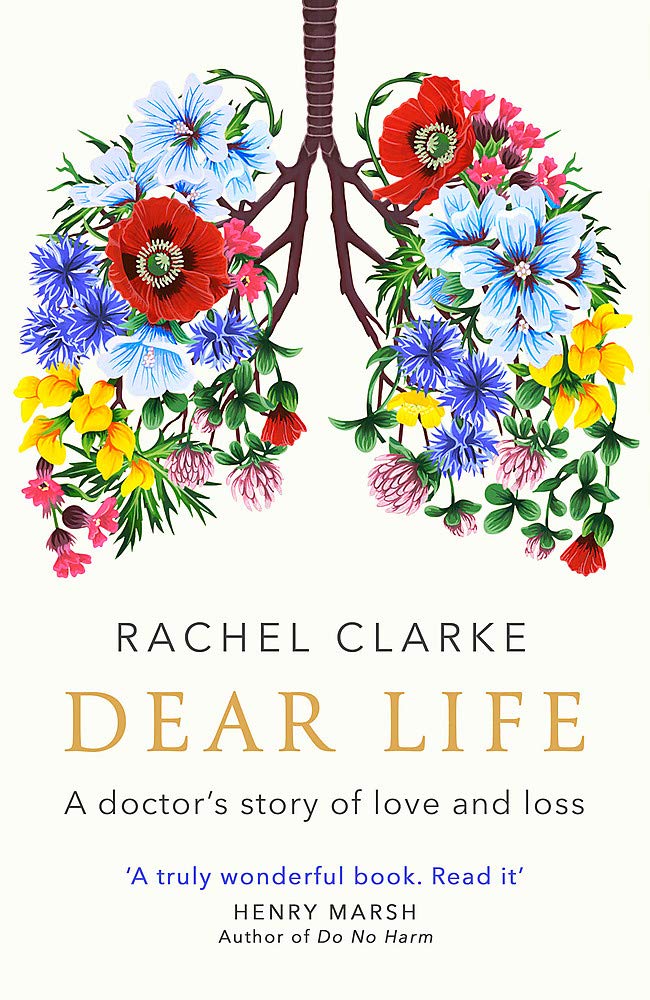
Dear Life by Rachel Clarke is a powerful and heartbreaking true account of the author’s life as a palliative care doctor.

The book speaks straight to the heart as we witness the love and care given to those facing their final days. They are given dignity and they are given choices, treated as individuals who still have a life to live, albeit a short one. “Living and dying are not binary opposites. The dying… are still very much alive.” The dying are aware of just how precious and just how fragile life is.

In a world where we hurry about, worrying about this and that; we need to pause and ask “would this matter on your deathbed?” What matters at the end is love and family. Have we lived a life of love? “In the end, when death bears down, there is always this, the love of others.”

In our modern world we are shielded from death. “In Britain, less than a century ago, death in the home was so frequent, so commonplace, that family members regarded the witnessed loss of their loved ones as entirely expected – entirely normal.” Today, we shy away from death. It is the last taboo.

Continue reading