
Tag Archive | Jenni Keer

The House Of Lost Whispers by Jenni Keer

Ripples

The House Of Lost Whispers by Jenni Keer is a compelling historical novel that I thoroughly enjoyed.

This is a very unique novel. It opens as the Titanic sinks, but in another dimension – The Titanic survives! Parallel lives with subtle differences. Only two characters share this unique perspective, and for years, each believes the other to be a ghostly voice!

We see the devastation that World War I brings. A generation of young men, lost forever.

Those who returned home were scarred – physically or mentally or both. In August 1914 young men believed that war was glorious, an adventure. They were soon disillusioned. “There’s no glory in the waterlogged pits of death I walk through.”

The role of women was changing as they demanded the right to vote. Lives were opened up due to war, as the women stepped into the men’s roles. In fact, my own paternal Nanny said that the First World War gave her, her freedom as she worked in a munitions factory examining the shell cases.

Continue reading
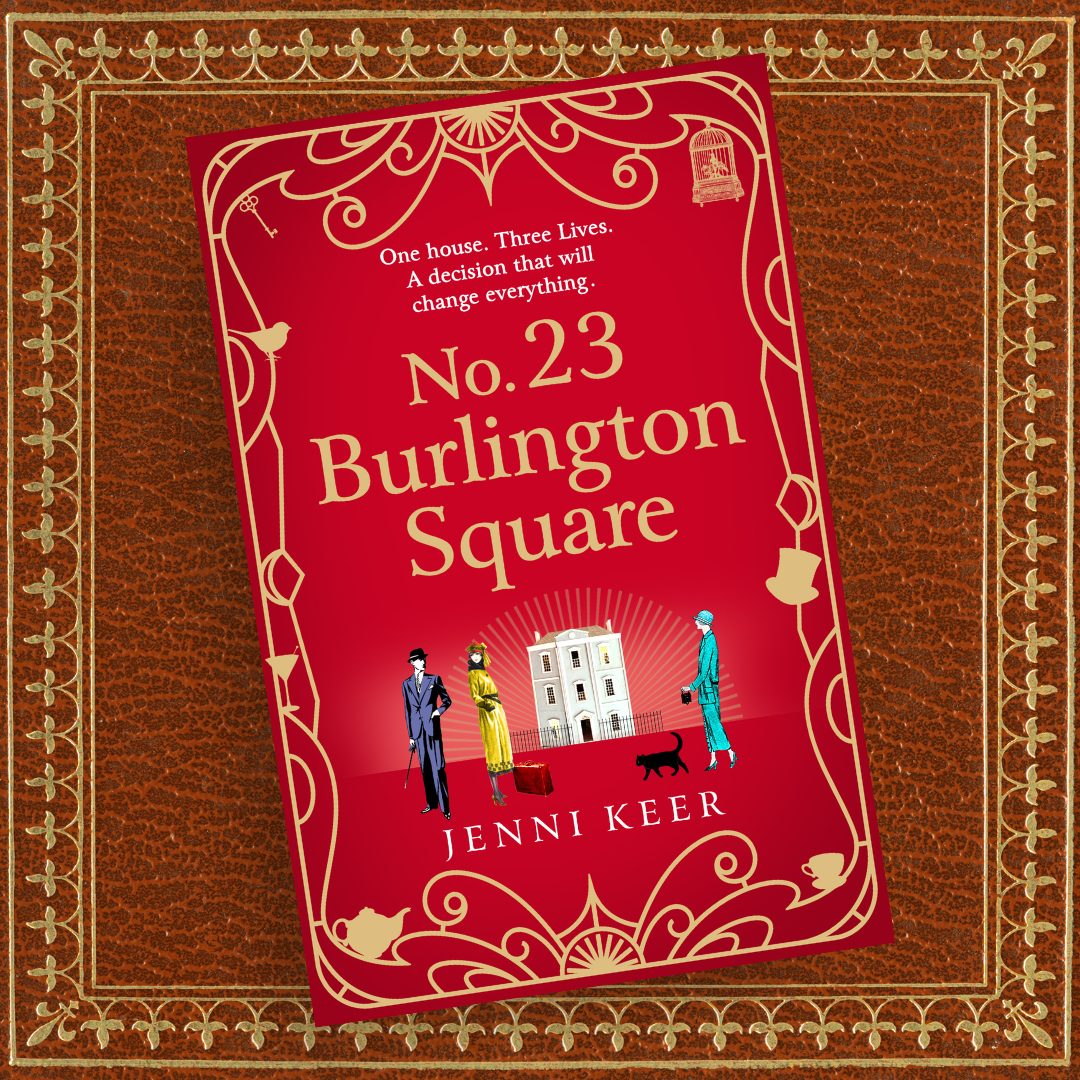
No 23 Burlington Square by Jenni Keer

Love Leads The Way

No 23 Burlington Square by Jenni Keer is a marvellous historical novel that consumed me.

The action is set in 1927 in a large house in London.

All the characters were well drawn and fully rounded. I did not like one of the leading ladies at first. She seemed entitled and a party girl but once the reader realizes what motivates her, we can see that beneath her exterior beats a heart of gold.

We see what war did for women. It enabled them to have more freedoms as they stepped into the jobs vacated by men. The women were reluctant to go back to being seen as property of the men or in loveless marriages. There is much courage when women stand up for who they really are.

During the war the men fought for freedom. At home, the women now fight for their freedoms. The workers did not want to be shackled.

There was still a class system. “The accident of your birth determined your status in the world.” As the 1920’s progressed, the class system was beginning to be eroded.

Continue reading