Archives

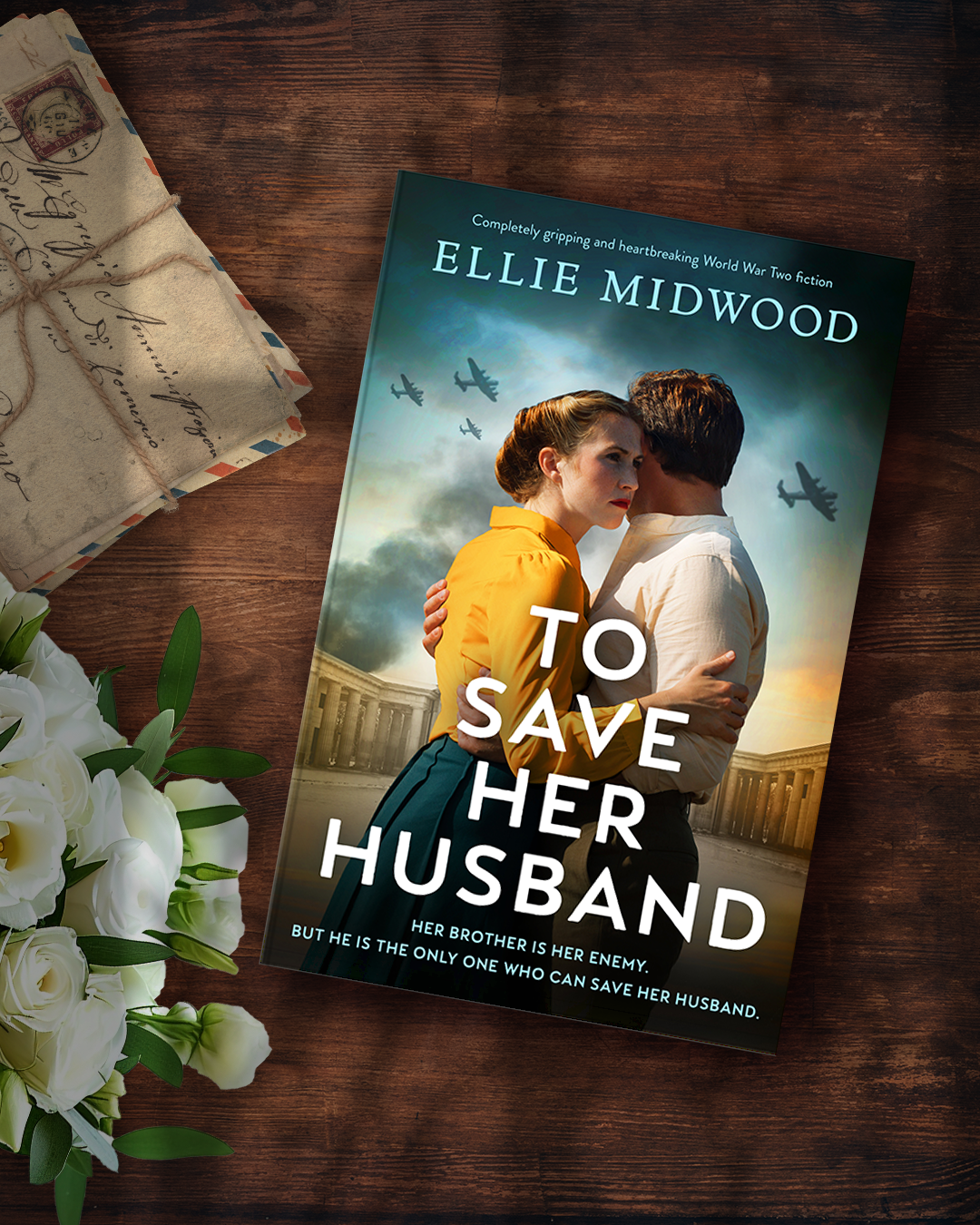
To Save Her Husband by Ellie Midwood

Whatever It Takes

To Save Her Husband by Ellie Midwood is a powerful and heart-wrenching historical tale that I read in just two sittings, pausing only to sleep. There are factual details and historical figures included and woven into the narrative.

The story follows Max and Aurelia Laub through the 1930’s and into World War II as we see how the events in Hitler’s Germany shape them. Max Laub is listed as Jewish but his mother converted to Catholicism when he was young, so ‘Jewish’ is just a label imposed on him by the regime.

The Laub’s were film-makers, determined to tell the world what was happening inside Germany. Aurelia spotted the truth from the burning of the Reichstag. “It was as if the fire was consuming not just the building but the very ideals they had fought for – the hope of a democratic Germany, the promises of freedom, and the future they had envisioned.” Max denied what was happening before his eyes until it was too late.

As the Nazis tightened their grip, Berliners felt the change. “The very atmosphere had shifted; what had once been a city of freedom and expression was beginning to feel like a place of surveillance and intimidation.” All the democratic politicians had gone and “there’s no one to fight for us ordinary folk.”

Continue reading
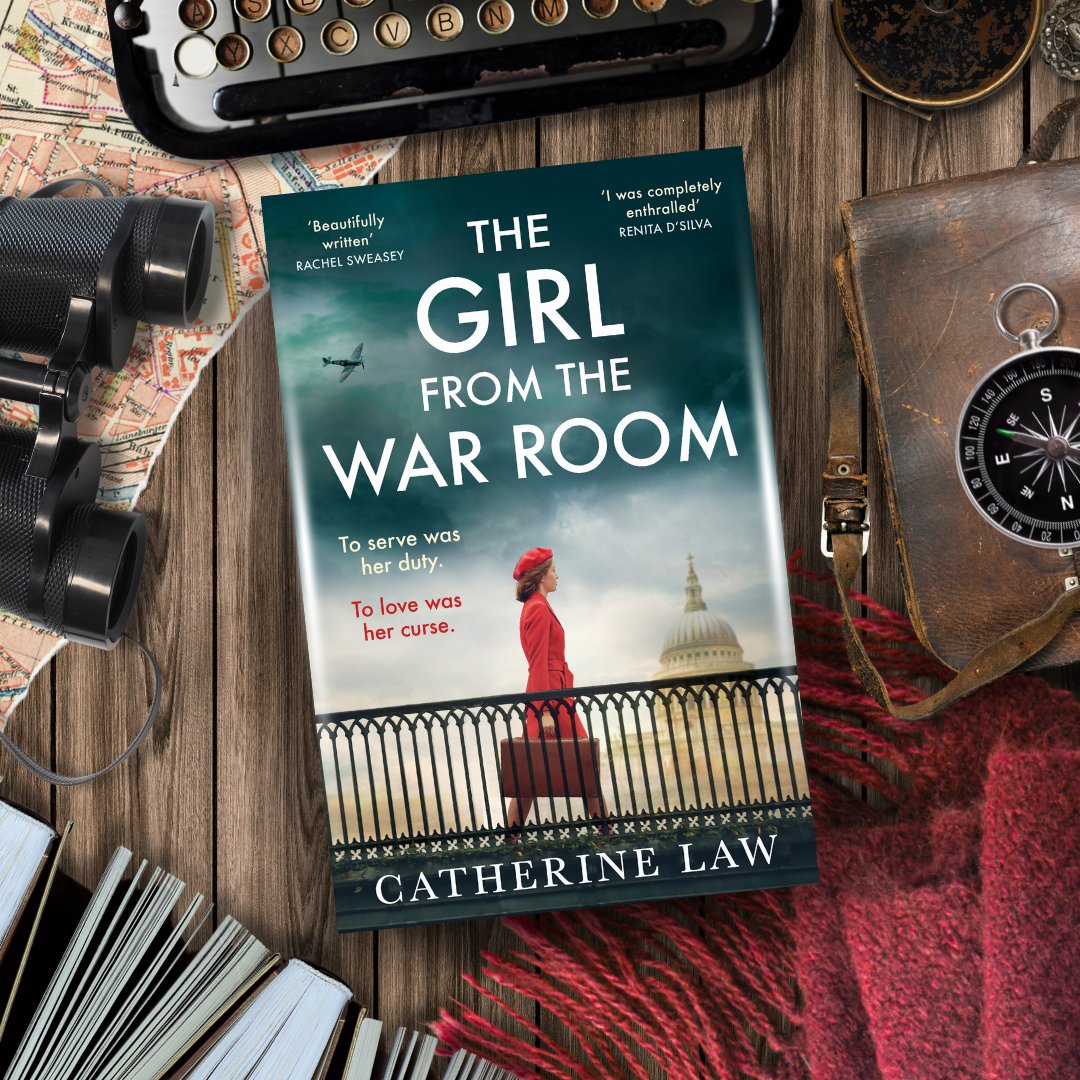

The Girl From The War Room by Catherine Law

From Innocence To Experience

The Girl From The War Room by Catherine Law is an epic historical tale that I read in just two sittings.

It is a powerful tale of family; of war; and of love. The novel opens during the 1930’s and finishes in 1948. We ‘experience’ the war through the eyes of the lead character, Cassie. The action is told in the third person.

As the novel opens, Cassie is just fifteen-years-old and in the Devon countryside surrounded by family. As the novel progresses, she moves from innocence to experience.

Families are complicated affairs, often with more going on behind closed doors than we would first imagine. Families love us. Families can be messy but the love shines through.

We see that love comes in many forms – family; friendship; attraction. What is true about real love is that it is sacrificial. This is illustrated in several cases within the novel. People love others enough to let go.

World War II followed quickly on the heels of World War I. Families who had already experienced loss, would soon do so again.

Continue reading

The Secret Orphanage by Barbara Josselsohn

Extraordinary Acts Of Bravery

The Secret Orphanage by Barbara Josselsohn is a powerful dual timeline novel that consumed me from the start.

The story is set in 1943 in occupied France and in 2018 in America. The storylines are linked by a granddaughter in present day, wanting to find out about her grandfather’s war. And also, about the author of a children’s novel that her grandfather read every night to her as a child.

We see that all is not as she first imagines as her beloved grandfather seems to be hiding a wartime secret. However, even an old photograph is not portraying the truth too. As her grandfather suffers from dementia, will the truth ever be known? Or will it be buried with him?

During the occupation, we witness the bravery of siblings who run a secret Jewish orphanage, right under the noses of the Nazis.

Continue reading

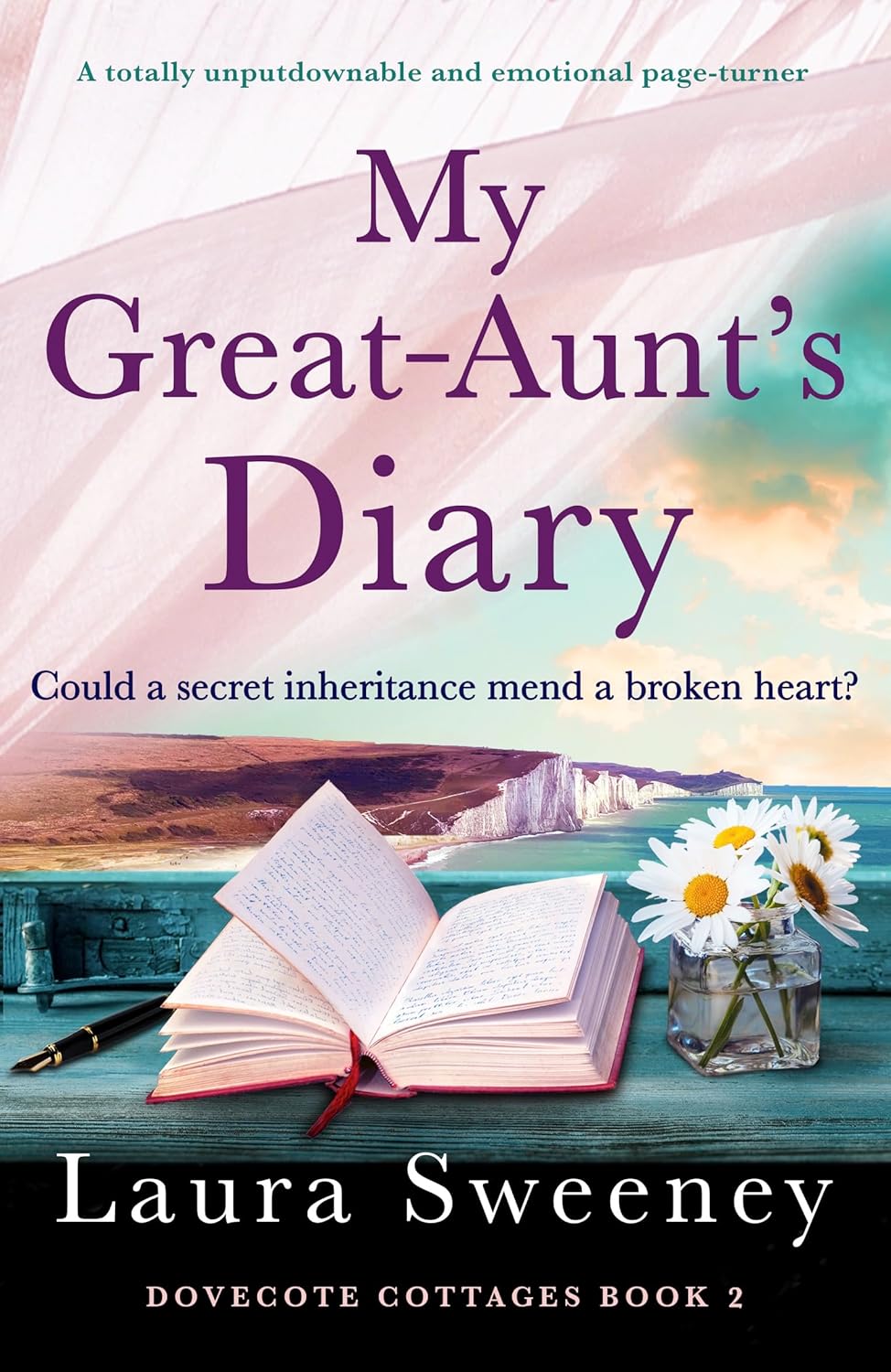
My Great Aunt’s Diary by Laura Sweeney

Choose Love

My Great Aunt’s Diary by Laura Sweeney is a marvellous dual timeline novel that I thoroughly enjoyed. It is the second book in the Dovecote Cottages series but can be read as a stand-alone.

The action is set in 1943 and 2016. We ‘hear’ about the action in real time and also via an old diary. The diary is about forbidden love. It ends abruptly, causing the Great Aunt’s niece to search for the end of the story. The search takes her across the sea to Ireland and then back again to Dovecote.

The novel opens in Brighton in 1943 and London in 2016. Both time periods see the characters ending up in Dovecote, unexpectedly. 1943 sees a family bombed out of their Brighton house. In 2016 a cottage is left to a character in a will.

There is loss within the novel. “Grief never really leaves you; you just get better at living with it.” The journey of grief is not linear. There are both good and bad days, one just has to cope the best one can.

In 1943 we see characters having to hide their true selves as social norms of the day mean that certain relationships cannot come to light. “I wanted her [Mum] not to pity me or see me as something broken, or deviant. But I didn’t know how she’d react if I told her.” It is heartbreaking to read, especially as the reader learns, along with the character, that her Mum loves her unconditionally.

Continue reading