There Was Once A Girl
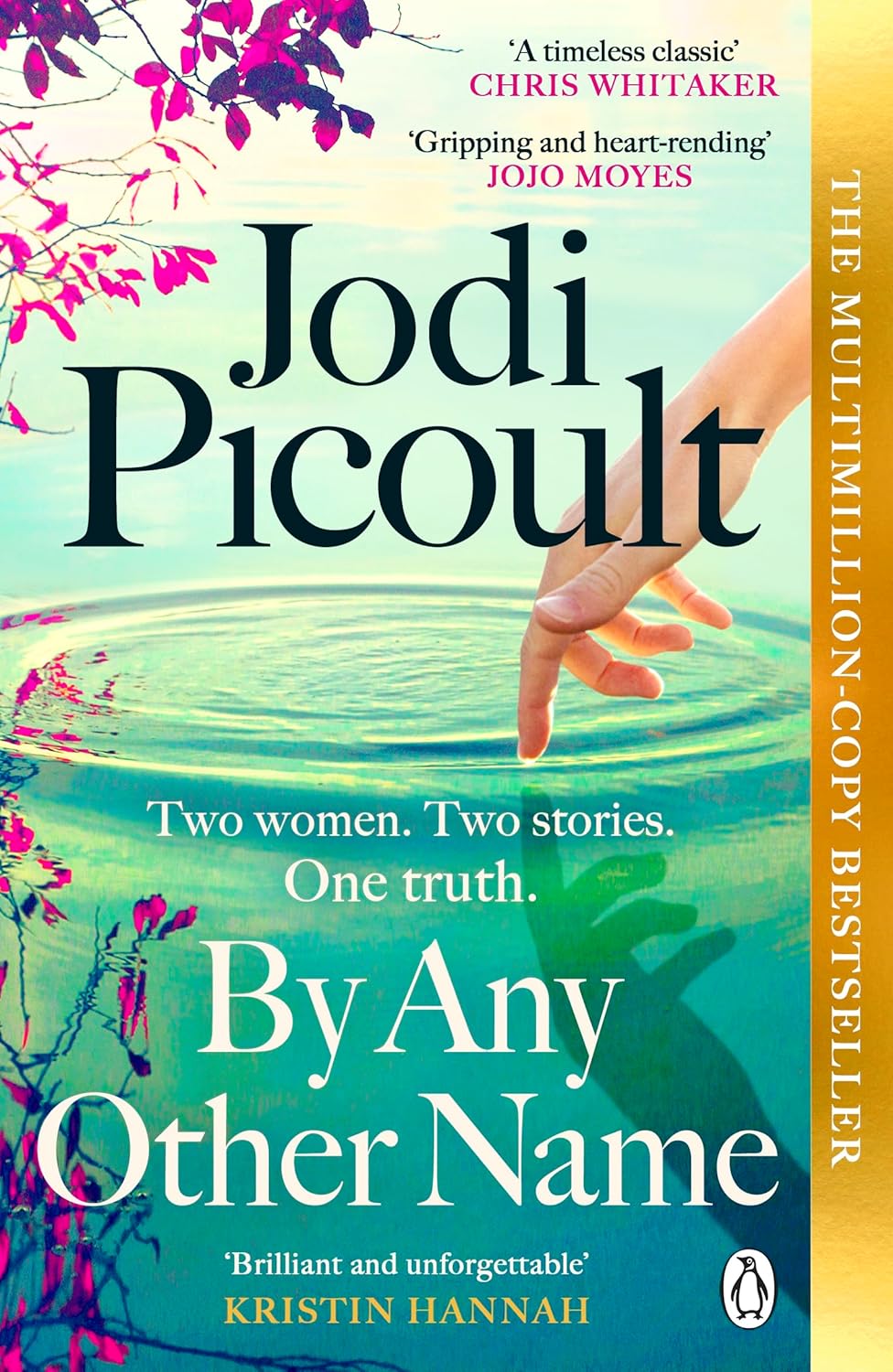
By Any Other Name by Jodi Picoult is a marvellous dual timeline novel that I really enjoyed. It has its’ roots in fact and will educate you as you read.
There are actual historical figures including Christopher Marlowe and William Shakespeare. The leading lady in the sixteenth century is Emilia Bassano who we know actually existed. Jodi Picoult’s notes at the end of the book are fascinating. Emilia Bassano is the focus of the novel and has links to present day author Melina who is researching her as she is her ancestor.
There are many parallels between the two women as they are both seeking to write, and both are marginalised in favour of men.
Jodi Picoult has created a fascinating tale around the subject of invisible women. “There was a girl who became invisible so that her words might not be.” Women, it seemed, were invisible in all sorts of walks of life. As they aged, they were passed by.
Writing about Alice Arden who murdered her husband Thomas, Emilia Bassano says: “For a woman to have status, she must be married. Yet a married woman loses everything – her name, her body, her property, her money. It all belongs to her husband. A widow… is given back all that rightfully belongs to her… It is a wonder there aren’t more husbands murdered.” It is very sad to see women “sidelined because of gender.”
There is a rumour that William Shakespeare did not write his plays but Emilia Bassano did. There is not a scrap of physical evidence but “when it came to history, absence of evidence was not evidence of absence.”
In the sixteenth century we see that young women were given as mistresses to older men. They were property to be passed about.
It is awful to read of the domestic violence committed. We see the kindness of other women towards the woman.
In both time periods, the women find their great love. For Emilia Bassano it is a love that will never die even though it is a love that must be hidden.
There are parallels in both tales. Jodi Picoult has constructed a marvellous tale. It is one that will consume you; make you feel anger on behalf of the women; and applaud their strength of character.
I will leave the final words with Emilia Bassano:
“I believe we are all God’s children… If we were made in His image, should we not be equal in His regard?”
JULIA WILSON